Key takeaways
- Algeria's cattle herd was recorded at roughly 1.82 million head in 2018, and the number had been falling for several years before that (Statista).
- Algeria remains a net importer of red meat: it approved about 100,000 tons of imports for Ramadan 2024 to steady prices (VOA).
- Live-animal and animal-product exports depend on strict veterinary certification, traceability, and an unbroken cold chain, which most Algerian producers are still building.
- For international wholesale buyers, the near-term Algerian opportunity sits in fruit, vegetables, and citrus, where cold-chain exporters like MegaExport already ship at scale.
If you are a wholesale buyer scanning North Africa for cattle or beef, Algeria is not yet a reliable source: the country imports red meat and does not run a steady live-cattle or beef export trade. The real openings for international buyers sit in Algeria's fruit, vegetable, and citrus sectors, where refrigerated logistics already move product to Europe, the Gulf, and Asia.
That said, the bovine sector tells you a lot about where Algerian agri-food is headed, and about the infrastructure that any future animal-product export would need. This article walks through the herd, the export rules, the sanitary and cold-chain requirements, and where the practical opportunity lies in 2026.
Key Takeaways
- Algeria's cattle herd stood at roughly 1.82 million head in 2018 and had been shrinking (Statista).
- The country imports red meat, approving about 100,000 tons for Ramadan 2024 (VOA).
- Animal-origin exports hinge on veterinary certification and an unbroken cold chain.
- Today's export opportunity favors fresh produce, where MegaExport already ships at scale.
What Does Algeria's Bovine Sector Look Like?
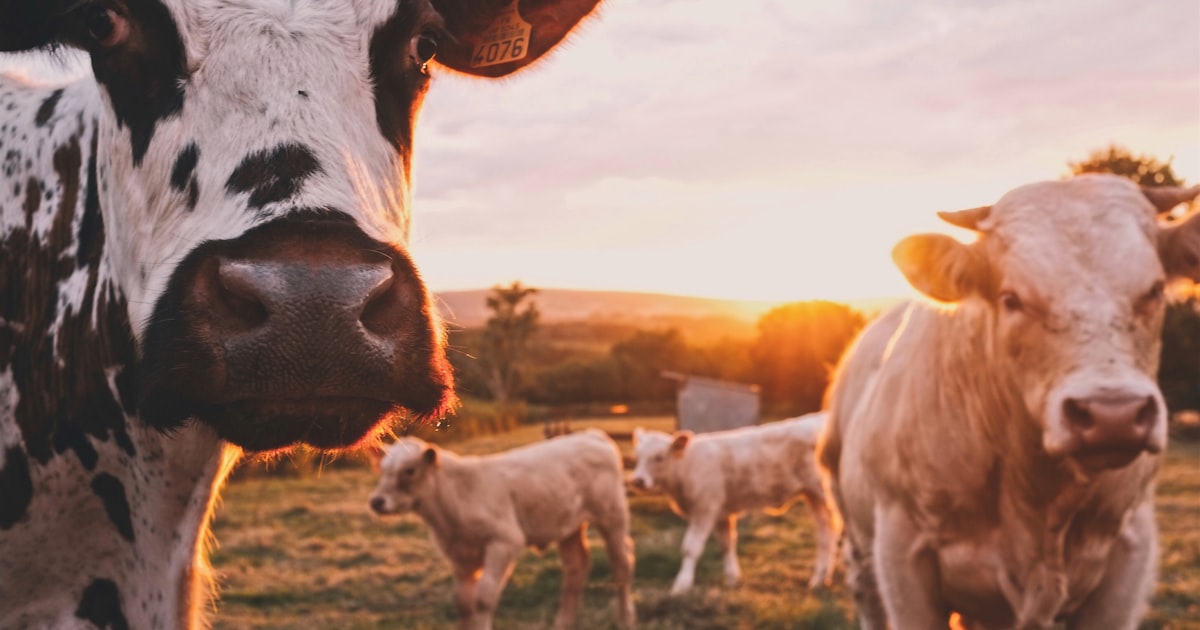
Algeria's cattle herd was recorded at about 1,816,300 head in 2018, down from roughly 2,081,300 in 2016, according to figures compiled by Statista. A herd of that size makes Algeria a meaningful livestock economy by North African standards, but a small one relative to its domestic meat demand.
The national herd mixes local hardy breeds adapted to semi-arid grazing with imported dairy genetics brought in to lift milk yields. Breeding is concentrated in the wetter north: the Tell Atlas, the high plains around Setif and Tiaret, and pockets of the coastal and sub-humid zones where fodder is more reliable. The steppe and Saharan south support far fewer cattle and lean toward sheep and goats.
Two structural facts shape the sector. First, most farms are small and mixed rather than large commercial feedlots, so output per animal stays modest. Second, feed costs and water constraints cap how fast the herd can grow. Those limits explain why the herd count slipped rather than climbed over recent years, and why domestic beef supply struggles to keep pace with consumption during peak demand.
What Is the Current State of Algerian Bovine Exports?
Algeria is a red-meat importer, not an exporter. Ahead of Ramadan 2024, the government approved the import of about 100,000 tons of red meat to steady prices, reversing an earlier restriction meant to protect local producers, according to VOA. Suppliers reportedly included Argentina, Brazil, Spain, Italy, Ireland, Russia, and Australia.
That import posture tells you why a regular Algerian bovine export stream does not yet exist. When a country buys beef from as far away as Australia to cover seasonal demand, it has little surplus live cattle or carcass beef to send abroad. Any future export ambition would start from building a consistent domestic surplus first.
The regulatory frame reinforces this. Live-animal and meat exports require bilateral veterinary agreements with each destination market, official health certification, and approval of slaughter and processing facilities. Algeria has focused its trade policy on securing imports and supporting domestic production, so the export-side machinery for animal products remains thin compared with its fruit and vegetable channels.
What Sanitary and Logistics Requirements Govern Animal-Origin Exports?
Exporting any animal-origin product means clearing health and traceability hurdles before a single shipment moves. Importing authorities in the EU and the Gulf require veterinary certificates, disease-free status verification, and approved establishments, and they inspect at the border. A single gap in documentation or temperature control can trigger rejection.
The core requirements fall into a few buckets. Producers need animal identification and traceability so every carcass links back to a farm of origin. Slaughter and processing sites need official approval and regular audits. Shipments need veterinary health certificates matched to each destination's rules, which differ between, say, the European Union's import controls and Gulf market requirements.
Then there is temperature. Fresh and chilled animal products carry tight cold-chain tolerances, and international guidance such as the Codex Alimentarius code of hygienic practice sets out the handling and temperature discipline that importing countries expect. Miss those tolerances in transit and the product may fail inspection regardless of its farm-gate quality. This is the same discipline that already governs Algeria's fresh-produce exports, which gives the country a partial head start.
How Does Cold-Chain Control Apply Across Algerian Agri-Food?
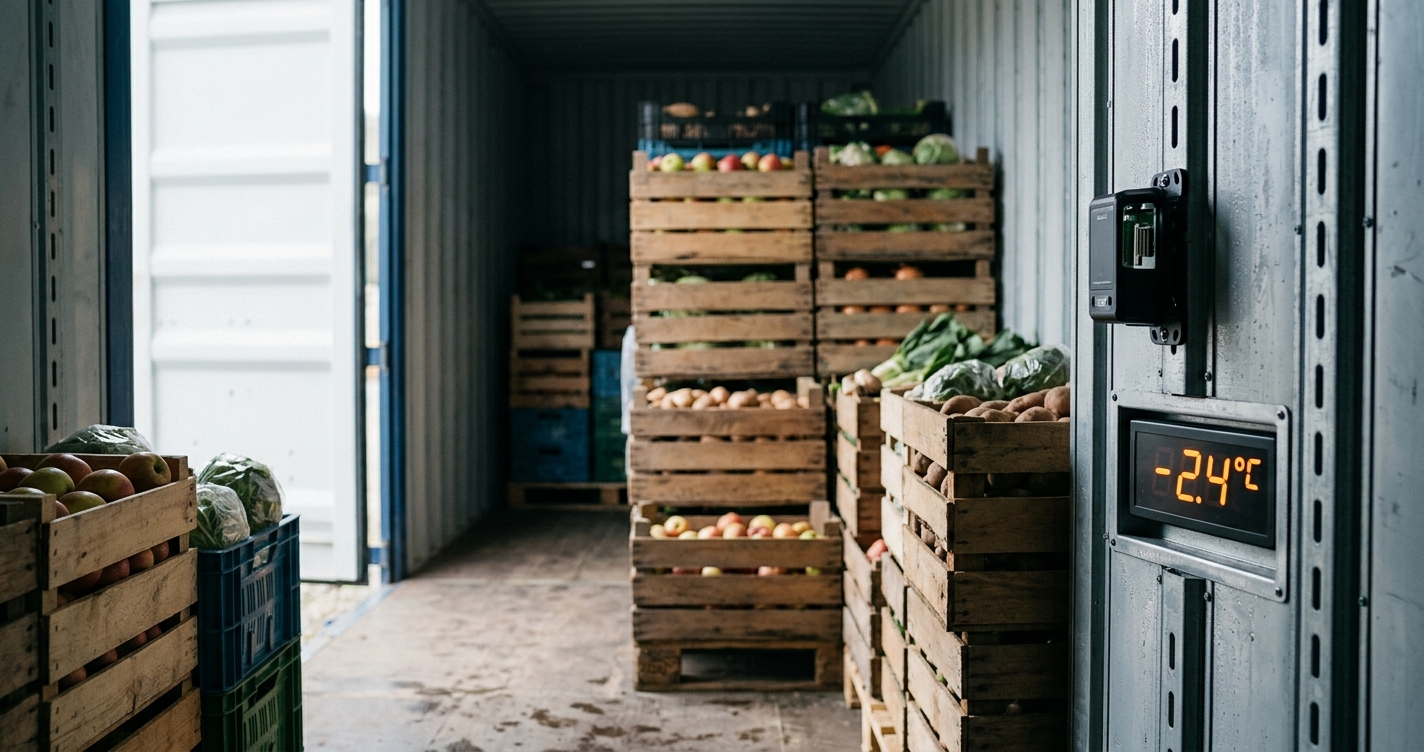
Cold-chain control is the connective tissue between Algeria's livestock ambitions and its existing produce trade. Whether the cargo is chilled meat or fresh citrus, the requirement is the same: keep the product inside a defined temperature band from farm to final buyer, with monitoring at every handoff.
For fruit and vegetables, that means rapid post-harvest cooling, refrigerated storage, temperature-controlled trucking to port, and reefer containers for the sea leg. International food agencies have long documented how much perishable food is lost between harvest and market, and cold-chain investment is the main lever for cutting those losses. Every degree of control that a produce exporter masters transfers directly to animal-origin handling.
This is where a company like MegaExport sits in the picture. Exporting premium fresh citrus, mangoes, potatoes, and seasonal vegetables from Algeria to buyers in Europe, the Gulf, and Asia demands exactly the refrigerated logistics, monitoring, and export documentation that animal-product trade would also require. Producers building toward bovine exports can learn from the operators who already run reliable cold chains out of the country.
Where Does MegaExport Fit for Wholesale Buyers?
For a wholesale buyer today, the dependable Algerian agri-food supply is fresh produce, not cattle. MegaExport specializes in premium citrus, mangoes, potatoes, and seasonal vegetables, sourced in Algeria and shipped under cold-chain control to Europe, the Gulf, and Asia. That focus matches where the country's export infrastructure is genuinely mature.
Buyers who need consistent volume, documented handling, and a partner familiar with EU and Gulf import rules will find that a produce-first supplier already solves the hard logistics problems. The cold-chain competence, the port routing, and the certification workflow are in place. If Algeria's bovine sector later develops export capacity, the operators who master these fundamentals in produce are the natural first movers.
So the complementarity runs in one direction for now. Cattle and beef remain a domestic-supply story inside Algeria, while fruit, vegetables, and citrus are the ready export categories. A buyer building an Algerian sourcing relationship can start with produce and keep an eye on how the livestock side matures.
What Is the 2026 Outlook for Algerian Agri-Food Diversification?
The direction of travel in 2026 is diversification: Algeria wants to lean less on food imports and grow the value of its agricultural exports, and fresh produce is leading that shift. Cattle sit further back in the queue because domestic demand still outruns supply, as the recurring red-meat imports show.
For importers, the practical read is straightforward. Watch the produce channels for near-term sourcing, since citrus, potatoes, and vegetables already move at export scale. Treat bovines as a longer horizon that depends on herd growth, feed economics, and new veterinary agreements before any regular export trade becomes credible.
The infrastructure question ties it all together. Whichever category grows next, it will run on the same cold-chain backbone. Investment in refrigerated capacity, traceability systems, and export certification is the shared enabler, and it is where the most useful progress is happening.
Your Next Step
If you are sourcing from Algeria, start where the supply is proven: request a produce specification and current availability from a cold-chain exporter such as MegaExport, and use that relationship to gauge the logistics and certification standards you would later need for any animal-origin trade. Building the produce channel now positions you to move first if the bovine sector opens up.
Frequently asked questions
How many cattle does Algeria have?
Algeria's cattle population was around 1.82 million head in 2018, according to Statista figures, and had declined from about 2.08 million in 2016. The herd is concentrated in the northern highlands and Tell Atlas regions.
Does Algeria export bovines or beef?
Algeria is primarily a red-meat importer rather than an exporter. It approved roughly 100,000 tons of red-meat imports for Ramadan 2024. A regular live-cattle or beef export trade would require new veterinary agreements and certified cold-chain capacity.
What does Algeria export in agri-food today?
Algeria's active agri-food exports center on fresh produce: citrus, mangoes, potatoes, and seasonal vegetables. Companies such as MegaExport supply wholesale buyers in Europe, the Gulf, and Asia using refrigerated cold-chain logistics.
Why does the cold chain matter for animal-origin exports?
Animal-origin products spoil quickly and carry sanitary risk. An unbroken cold chain preserves quality, meets importing-country health rules, and reduces rejection at the border. The same refrigerated infrastructure supports fruit and vegetable exports.