Key takeaways
- Algeria produced roughly 1.8 million tonnes of citrus in 2023-2024, with oranges on about 68% of citrus land and clementines on 22%.
- Algerian clementines run October to January and oranges November to April, giving Northern Hemisphere buyers a counter-seasonal supply window.
- Match your order to UNECE FFV-14 size codes and Class I or II grades before signing, and confirm cold-chain handling from packhouse to port.
- Ask a prospective exporter about pack dates, phytosanitary paperwork, and rejection terms before committing to a season-long contract.
A good Algerian citrus exporter matches your grade and calibration exactly, ships within days of harvest, and holds an unbroken cold chain to your port. Get those three things right and the rest of the relationship tends to follow. This guide walks wholesale buyers in Europe, the Gulf, and Asia through the varieties Algeria ships, the harvest calendar, the quality rules that govern each pallet, and the questions worth asking before any contract is signed.
Algeria sits on the Mediterranean with a long citrus tradition and a harvest window that runs through the Northern Hemisphere winter. For an importer, the country offers volume and counter-seasonal timing. The difficulty is separating exporters who can hold a spec from those who cannot.
Which citrus varieties does Algeria export?
Algeria produced more than 18 million quintals of citrus in the 2023-2024 season, roughly 1.8 million tonnes, according to national agriculture figures (AgriAlgerie, 2024). Oranges dominate the crop, planted on about 68% of citrus land, followed by clementines at roughly 22%, lemons near 7%, and mandarins around 3% on the same source data.
For a buyer, that mix shapes what an exporter can realistically supply. Oranges cover the bulk of programs, from juicing grades to fresh navel and blood varieties. Clementines carry the premium end. Algeria is often described as the birthplace of the clementine, and the fruit remains a signature line for many exporters.
Lemons matter more than their small acreage suggests. Because their harvest window is long, they let an exporter keep mixed citrus loads moving when orange or clementine volumes dip. If you buy across categories, ask which varieties a supplier packs in-house versus sources from partner growers.
Growing region also shapes what you receive. Much of Algeria's citrus comes from the Mitidja plain and coastal wilayas such as Blida, Chlef, and Mostaganem, where the climate favors sweet oranges and easy-peel clementines. When an exporter can name the orchards behind a lot, it usually signals tighter control over ripeness and grade than a trader buying from open markets at peak season.
What is the season for oranges, clementines, and lemons?
Algerian clementines run from October to January, and oranges from roughly November through April, giving Northern Hemisphere buyers fruit through the winter months. Lemons stretch across a wider part of the year. This calendar is the single most useful planning tool for an importer building a season.
The timing puts Algeria in a useful position against Southern Hemisphere suppliers such as South Africa, which ship into Europe mainly from May to October. When those programs wind down, Algerian fruit is coming into its main flush. A buyer who wants continuity across the year can pair the two origins.
Weather moves these dates. A cool autumn can push clementine color and sugar later, and a warm spring can shorten the orange tail. A reliable exporter will give you honest pack-date estimates and update them as the season develops rather than promising fixed windows months ahead.
How are volumes, calibration, and quality graded?
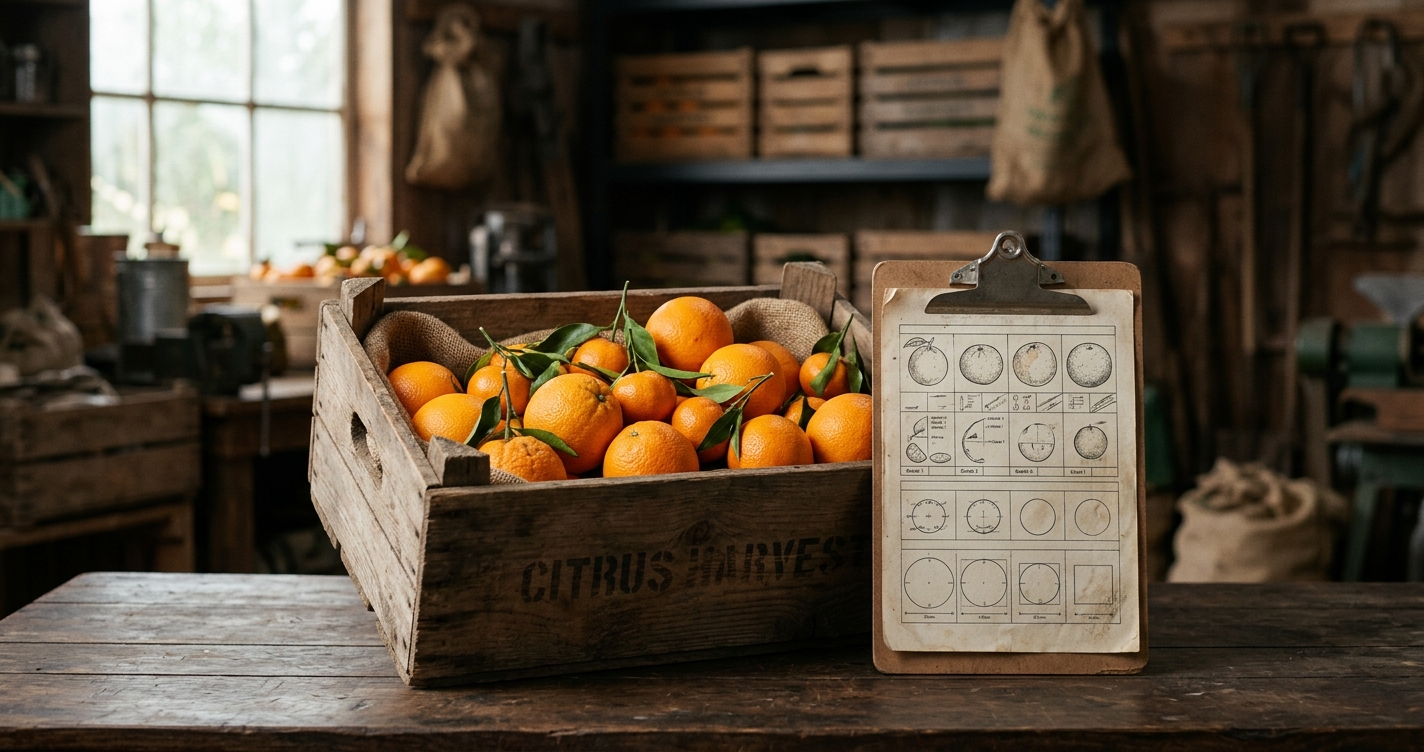
Citrus sold into the European Union follows the UNECE FFV-14 marketing standard, which sets Class I and Class II grades and size codes tied to fruit diameter (UNECE, Standard FFV-14). Getting the spec right on paper is what prevents disputes on the dock. Every serious order should name a grade, a size range, and a pack format.
Size is expressed as a code based on the maximum equatorial diameter of the fruit. Smaller code numbers mean larger fruit. A clementine program for a retail chain, for example, might call for a tight band of two or three adjacent size codes so the fruit looks uniform on shelf. Ask your exporter to confirm the calibration ranges they can hold consistently, not just the ones they can occasionally hit.
Grade covers appearance, shape, and skin defects. Class I allows minor blemishes that do not affect the fruit; Class II is more tolerant and usually priced accordingly. Beyond the standard, buyers often add their own limits on things like rind marking or minimum sugar content. Put those in writing.
Volume commitments deserve the same care. A packhouse that promises more than its throughput can lose your fruit to quality shortcuts under pressure. It helps to visit, or to send an inspector, during your first season. Confirm the same size codes hold from the first container to the last, because uniformity across a run is harder than hitting a spec once.
What should you ask before signing an import contract?
Before committing, get clear answers on pack dates, calibration, documentation, cold-chain temperatures, and the terms covering rejected or short loads. European demand sets the backdrop: EU orange imports reached 342,000 tonnes by March of the 2024-2025 season, alongside 276,000 tonnes of small citrus such as mandarins and clementines (FreshPlaza, 2025). In a market that size, the difference between suppliers is execution.
A practical checklist for a first conversation:
- Pack and harvest dates. How fresh is the fruit when it leaves the packhouse, and how quickly does it reach the vessel?
- Calibration and grade. Which UNECE size codes and classes can they hold across a full container, week after week?
- Documentation. Can they supply phytosanitary certificates, certificates of origin, and the paperwork your customs authority requires?
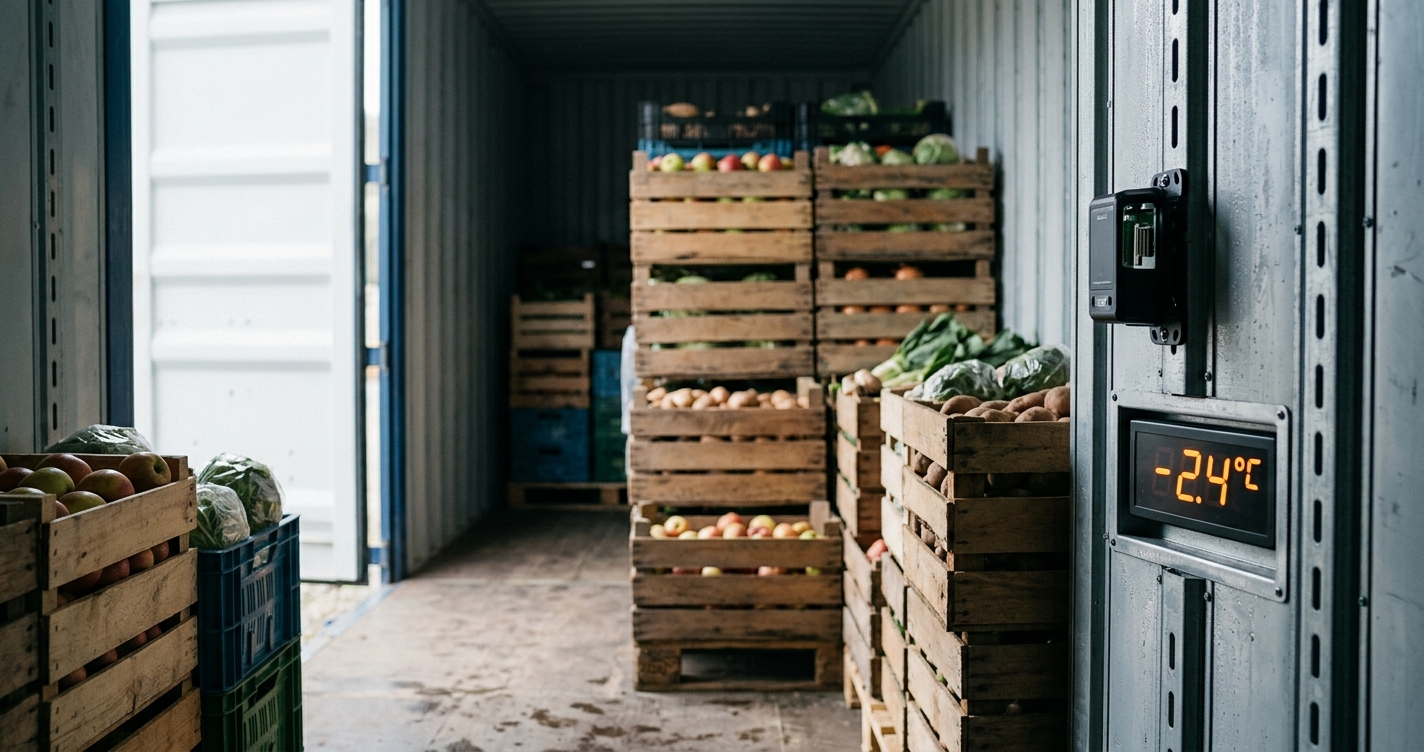
- Cold chain. What temperatures do they hold from packhouse to port, and can they show the data logs?
- Rejection and claims. What happens if a load arrives out of spec? Clear terms here protect both sides.
- References. Ask for buyers in your own region who can speak to reliability across a season.
Cold-chain integrity deserves particular weight. Citrus holds quality best at low temperatures with controlled humidity, and a single warm gap can shorten shelf life for the whole load. Ask specifically about handling at the port and during ocean transit, not only at the packhouse. For the customs and phytosanitary rules on the receiving side, the EU maintains a public import portal (Access2Markets, European Commission).
Where does MegaExport fit for wholesale buyers?
MegaExport is one of the Algerian exporters built around this kind of buyer relationship. The company sources premium fresh citrus, mangoes, potatoes, and seasonal vegetables from Algeria and ships to wholesale buyers across Europe, the Gulf, and Asia, with cold-chain logistics as a core part of the offer.
For an importer, the value of a partner like that is less about any single shipment and more about consistency: fruit that matches the agreed grade, calibration held across a container, and temperature control that survives the journey. Those are the details this guide keeps returning to because they are what separate a smooth season from a costly one. If you are building a citrus program from Algeria, the practical next step is a short spec sheet, your grade, size codes, volumes, and delivery port, sent to two or three exporters so you can compare answers side by side. You can reach MegaExport to request one.
Frequently asked questions
When is the Algerian citrus season for oranges and clementines?
Algerian clementines are harvested from October to January, while oranges run from roughly November through April. Lemons extend across a longer window, which lets a single exporter supply mixed citrus loads through much of the winter.
What quality standards apply to Algerian citrus sold in Europe?
Citrus sold into the EU follows the UNECE FFV-14 marketing standard, which sets Class I and Class II grades and size codes based on fruit diameter. A capable exporter should pack and label to these codes as standard practice.
How much citrus does Algeria produce?
Algeria produced more than 18 million quintals, roughly 1.8 million tonnes, of citrus in the 2023-2024 season according to national agriculture figures. Oranges account for the largest share of cultivated area, followed by clementines.
What should I ask an Algerian citrus exporter before signing?
Ask for pack dates, calibration ranges, phytosanitary and origin documentation, cold-chain temperatures from packhouse to vessel, and clear terms on rejected or short-shipped loads. Request references from buyers in your own region.