Key takeaways
- The cold chain keeps produce within a narrow temperature band from the moment of harvest until it reaches the buyer, so a single warm gap can undo the whole shipment.
- The global cold chain market reached USD 251.0 billion in 2025 and is projected to hit USD 455.0 billion by 2031 (MarketsandMarkets).
- Different crops need different setpoints: citrus and leafy greens ship cold, while mangoes and potatoes suffer chilling injury below roughly 13°C.
- Pre-cooling within hours of harvest is the single highest-leverage step; skip it and no downstream refrigeration fully recovers the lost shelf life.
- Real-time temperature loggers and IoT sensors turn the cold chain from a hopeful assumption into a documented, auditable record buyers can trust.
A shipment of fresh citrus can leave a farm in perfect condition and arrive across the world unsellable, and the reason is almost always a break in temperature control somewhere along the route. The cold chain is the system that prevents this: an unbroken sequence of refrigerated steps that holds produce within its ideal range from harvest to the buyer's dock.
For exporters moving perishable crops between continents, the cold chain is the difference between a premium sale and a rejected load. This guide walks through how it works, the temperatures each crop needs, the mistakes that quietly ruin shipments, and the monitoring tools that keep the whole system honest.
Key Takeaways
- The cold chain holds produce in a narrow temperature band from harvest to delivery, so one warm gap can spoil an entire shipment.
- The global cold chain market reached USD 251.0 billion in 2025 and is projected to reach USD 455.0 billion by 2031 (MarketsandMarkets, 2025).
- Pre-cooling right after harvest is the highest-leverage step; nothing downstream fully recovers the shelf life lost by skipping it.
What Are the Principles of the Cold Chain for Fresh Produce?
The cold chain works on one principle: slow down biology. Cold temperatures suppress respiration, ripening, and microbial growth, which are the three processes that turn fresh produce into waste. As of 2025, the global cold chain market stood at USD 251.0 billion and is forecast to reach USD 455.0 billion by 2031, a sign of how central temperature control has become to food trade (MarketsandMarkets, 2025).
Fresh fruits and vegetables are alive after harvest. They keep breathing, drawing on their own sugars and water, and every degree of extra warmth speeds that decline. Refrigeration does not stop the process, it stretches it out long enough for the produce to survive a long export journey.
The core rule is continuity. A load that stays at the right temperature for 95 percent of its trip can still fail if the remaining 5 percent runs warm. Decay that starts during a warm gap does not reverse when the produce is chilled again. This is why exporters treat the cold chain as a single connected system rather than a series of separate steps.
Cold chain logistics for fresh produce also depends on humidity and airflow. Produce loses water in dry air and wilts, so most crops need high relative humidity alongside the correct temperature. Good airflow inside a container keeps every pallet at the same setpoint instead of letting warm pockets form.
What Are the Key Stages: Harvest, Pre-Cooling, Storage, and Transport?
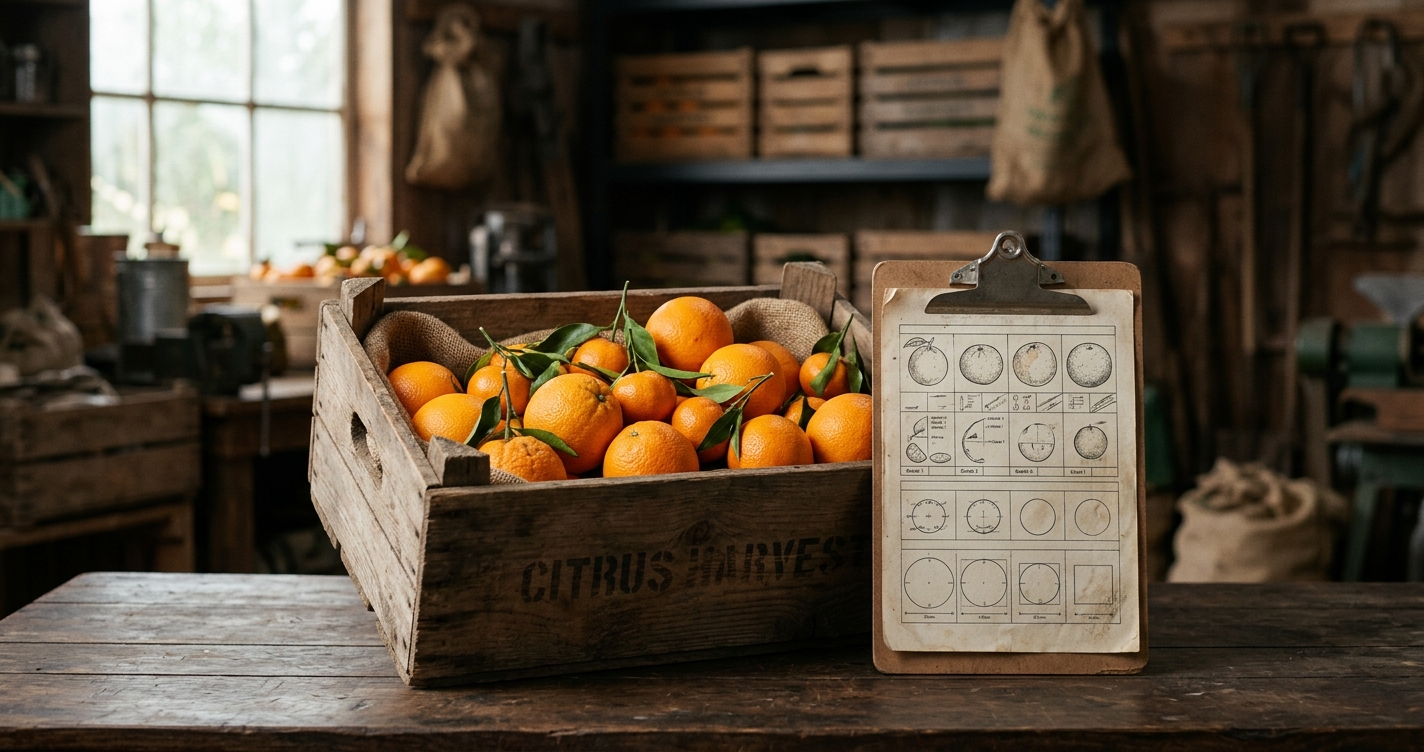
The cold chain for exportation has four load-bearing stages, and the earliest one matters most. Produce picked in the field carries "field heat," the warmth absorbed from the sun, and removing that heat quickly through pre-cooling sets the ceiling on how long the crop will last. Everything after that only preserves the shelf life pre-cooling makes possible.
Harvest. Timing and handling at harvest decide the starting quality. Produce picked at the right maturity, in the cool of the morning, and handled gently to avoid bruising enters the chain in the best possible state. Damaged produce decays faster no matter how cold it is kept.
Pre-cooling. Within hours of harvest, the crop needs to be brought down close to its storage temperature. Methods vary by product: forced-air cooling for berries and citrus, hydrocooling for some vegetables, and room cooling for hardier crops. Skip this step and the produce spends its first critical hours respiring at field heat, burning through shelf life that cannot be recovered.
Storage. Chilled storage holds the produce at its target temperature while shipments are consolidated and paperwork clears. Storage rooms must maintain steady temperature and humidity, because swings stress the produce and cause condensation that invites mold.
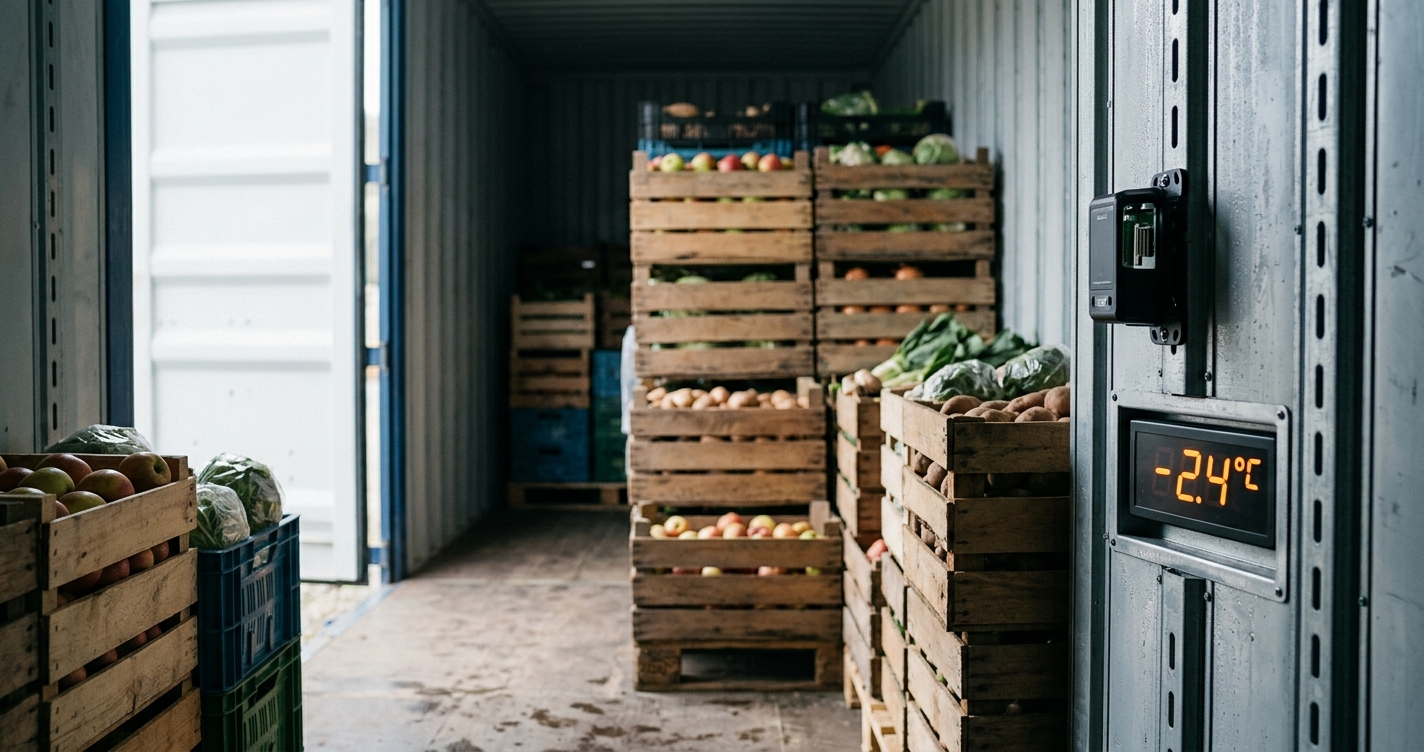
Transport. Refrigerated containers, known as reefers, carry the produce across long distances by sea, road, or air. The reefer must hold the setpoint for the entire journey, which for sea freight can run several weeks. This is where exporters like Megaexport, shipping Algerian citrus and vegetables to Europe, the Gulf, and Asia, lean hardest on reliable reefer capacity and careful loading.
For a technical grounding in how each stage is managed, the UC Davis Postharvest Technology Center publishes crop-specific handling guidance used across the industry.
What Are the Optimal Temperatures by Product Type?
There is no single "cold" that suits all produce, and getting the setpoint wrong damages the crop as surely as no refrigeration at all. Broadly, crops split into two camps: chilling-tolerant produce that ships genuinely cold, and chilling-sensitive tropical crops that suffer injury if held too cold. Postharvest research groups crops by these compatibility bands.
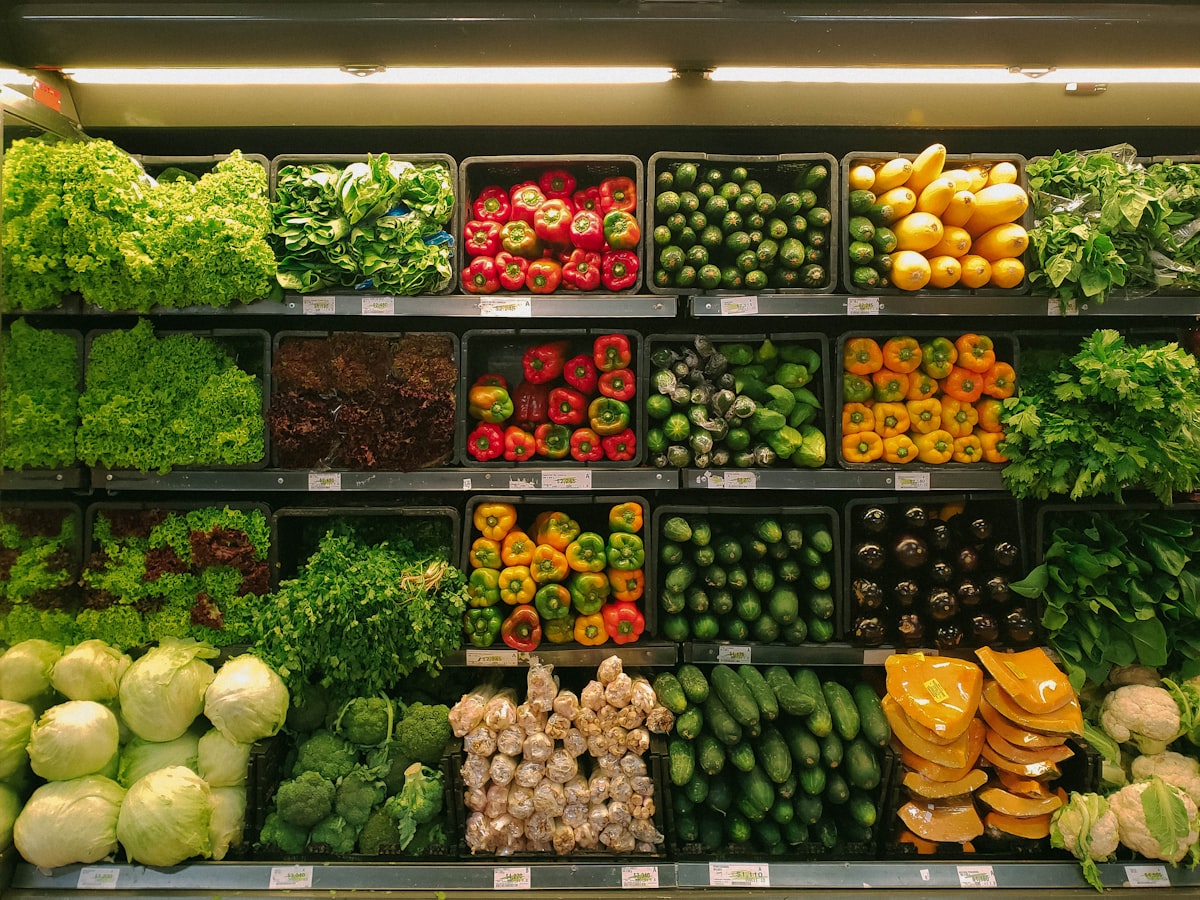
Leafy and temperate vegetables sit at the cold end. Lettuce, spinach, and similar greens hold best near 0 to 2°C with very high humidity, which keeps them crisp and slows wilting.
Citrus occupies a middle-cool band. Oranges and lemons generally travel well around 7 to 10°C. Held much colder, some citrus develops surface pitting, a form of chilling injury.
Mangoes and potatoes are the sensitive group. Both are prone to chilling injury below roughly 13°C. Mangoes chilled too hard fail to ripen properly and develop off-flavors and skin damage; potatoes stored too cold convert starch to sugar, turning sweet and browning when cooked. These crops need warmer, carefully controlled conditions rather than the coldest available setting.
The practical takeaway is that mixing crop types in one container forces a compromise temperature that harms at least one group. Exporters plan loads so that produce sharing a container also shares a temperature and humidity profile. When in doubt, authoritative references such as USDA postharvest guidance and UC Davis charts settle the setpoint.
Which Common Mistakes Compromise Freshness?
Most cold chain failures come down to ordinary lapses at the handoffs between stages, rather than exotic equipment breakdowns. The produce sits on a warm loading dock, waits too long before pre-cooling, or rides in a container packed so tightly that cold air cannot circulate. Each lapse is small on its own, and together they decide whether a shipment arrives sellable.
The most common and costly mistake is delayed pre-cooling. Every hour produce spends at field heat after harvest is shelf life spent early. A load pre-cooled promptly can outlast an identical load pre-cooled a few hours late by days.
Breaking the chain at transfer points ranks second. Moving pallets from cold storage into a container that has not been pre-cooled, or leaving them exposed on a hot dock, lets the produce warm even if both the storage room and the reefer are set correctly. The gap in between does the damage.
Poor loading is a quieter culprit. Overpacking a container or blocking the airflow channels creates warm pockets where some pallets never reach the setpoint, even though the reefer's own gauge reads correctly. Uneven airflow means uneven quality on arrival.
Finally, many exporters mix incompatible crops or ignore humidity. A container set for citrus will chill-injure the mangoes riding alongside it, and low humidity dehydrates leafy produce regardless of temperature. Getting the setpoint right for the wrong mix of crops still ends in loss.
What Technologies Enable Real-Time Tracking and Control?
Modern cold chains no longer rely on hope between checkpoints, they generate a continuous record. Data loggers and connected sensors capture temperature and humidity throughout the journey, so the buyer can see exactly whether the produce stayed in range rather than trusting that it did. This visibility is a major reason the cold chain market keeps expanding toward its projected USD 455.0 billion by 2031. The Food and Agriculture Organization tracks how weak cold chains drive food loss, which strong monitoring directly counters.
Simple data loggers are the baseline. A small device rides inside the pallet or container, recording temperature at set intervals. On arrival, the buyer downloads the log and confirms the setpoint held. If it did not, the record shows exactly when and where the break happened.
IoT sensors add live visibility. Instead of waiting for arrival, connected sensors transmit temperature and location during transit, so a rising temperature can trigger an alert while the shipment is still moving. That turns a post-mortem into a chance to intervene, rerouting or repairing before the load is lost.
Controlled-atmosphere and modified-atmosphere technologies go further for long sea voyages, adjusting the oxygen and carbon dioxide around the produce to slow ripening on top of refrigeration. Combined with reliable reefer control, these systems let exporters reach distant markets that would otherwise be out of range for a delicate crop.
For buyers, the value is an auditable trail. A documented, in-range temperature history supports quality claims, speeds customs and inspection, and settles disputes with evidence instead of argument. For an exporter competing on freshness, that record is part of the product.
Bringing It Together for Your Next Export
Start with pre-cooling. If you audit only one part of your operation this season, measure how many hours pass between harvest and the moment your produce reaches its target temperature, then shorten that gap. It is the cheapest, highest-return improvement available, and it protects every stage that follows.
From there, match your setpoints to your crops, close the warm gaps at every handoff, and add temperature logging so your buyers can see the freshness rather than take it on faith. Exporters such as Megaexport build their reputation on exactly this discipline, moving Algerian citrus, mangoes, potatoes, and vegetables to Europe, the Gulf, and Asia on a cold chain that holds from field to final delivery.
Frequently asked questions
What is the cold chain for fresh produce exports?
It is an unbroken sequence of temperature-controlled steps, from field pre-cooling through refrigerated storage and reefer transport, that keeps fruits and vegetables within their ideal range until delivery. Any warm gap shortens shelf life.
Why is pre-cooling so important?
Fresh produce carries field heat at harvest, which speeds ripening and decay. Pre-cooling removes that heat within hours, slowing respiration before storage and transport. Skipping it permanently reduces shelf life, no matter how cold the later stages are.
Can I ship citrus, mangoes, and potatoes in the same container?
It is risky. Citrus tolerates cold storage, while mangoes and potatoes suffer chilling injury at those temperatures. Mixing chilling-sensitive and cold-loving crops in one container forces a compromise setpoint that damages one group.
How do buyers verify the cold chain held during transit?
Data loggers and IoT sensors record temperature and humidity at intervals across the journey. On arrival, the buyer downloads the log to confirm the produce stayed in range, giving an auditable record that supports quality claims and dispute resolution.